Mastering the Art of Developing a Website

Essential Tips for Building an Effective Online Presence
Introduction
In today's digital landscape, developing a website is no longer a luxury but a necessity for businesses, organizations, and personal brands. It is your most powerful tool in establishing an online presence and reaching a wider audience. In this article, we will delve into the process of designing and developing a website, offering insightful tips on developing a good website that engages your visitors and accomplishes your goals.
The Importance of Developing a Website
Having a well-crafted website is a crucial element in modern business. It is the first interaction that potential customers have with your brand. The process of developing a website gives you the chance to showcase your products or services, communicate your brand's values, and build credibility. Developing a website for an organization provides an opportunity to engage with its audience in a direct and personalized manner.
Starting plus the Basics: Developing the Homepage for the Website
The homepage is the digital storefront of your website. When developing a homepage for the website, it is critical to make a strong first impression. It should clearly communicate what your brand or organization does, provide easy navigation to other sections of the site, and motivate visitors to explore further. Use clear and compelling copy, professional images, and an intuitive layout to guide visitors through your site.
Designing and Developing a Website: The Process
Developing your website involves a multistep process, beginning with planning your site's structure, creating its design and layout, adding content, testing, and finally launching. It is a blend of both creative and technical skills, involving aspects of graphic design, copywriting, SEO, and programming.
Tip #1: Identify Your Goal
Before you begin developing a website, it's crucial to identify its purpose. Are you selling products or services, sharing information, building a community, or something else? Your goals will guide every decision, from the website's design to its content and features.
Tip #2: Know Your Audience
Understanding your audience is another crucial step in website development. Knowing who they are, what they want, and how they use the web can inform your design choices and content creation.
Tip #3: Optimize for SEO
Search Engine Optimization (SEO) is essential in developing a good website. By using SEO best practices, you can increase the visibility of your site on search engine results pages, making it easier for potential customers to find you.
Tip #4: Make it Mobile-Friendly
With more people accessing the web via mobile devices, developing a website that is mobile-friendly is a must. Ensure that your website design is responsive, meaning it automatically adjusts to fit the screen size of the device being used.
Tip #5: Keep it Simple and User-Friendly
A website should be easy to navigate, with intuitive menus and a clear path to the information or services your users are looking for. Overcomplicated designs can confuse visitors and make them leave your site.
Developing a Website for an Organization: Key Considerations
Developing a website for an organization, whether it's a business, a non-profit, or a government entity, requires extra considerations. It's not only about presenting products or services but also about delivering a clear message about the organization's mission, values, and culture.
Conclusion
Developing a website is a critical step in establishing a strong online presence. By understanding your goals, knowing your audience, optimizing for SEO, ensuring mobile compatibility, and keeping user-friendliness in mind, you can create a website that effectively serves its purpose and delivers a memorable user experience. Whether you're developing a website for a personal brand or an organization, these tips will guide you through the process and help you build a successful online platform.
Custom Software Development Services: Tailored to Your Business Needs

In today's highly competitive digital landscape, custom software development is not a luxury—it's a necessity. Developing software that aligns perfectly with your business goals can be a game-changer. This is where our custom software development services come into play, providing a bespoke solution designed to meet the unique demands of your enterprise.
Why Custom Software?
- Personalization: Unlike off-the-shelf products, custom software is crafted to accommodate the distinct needs and processes of your business, providing a snug fit solution.
- Cost-Effectiveness: While the initial investment may be higher, custom software avoids future expenses by eliminating the need for extensive modifications.
- Speed of Implementation: Tailored software requires a careful development process, ensuring that every feature aligns with business needs, hence might take longer to deploy than off-the-shelf solutions.
- Functionality: Custom development ensures that every feature serves a purpose, enhancing your business efficiency and productivity.
The Development Process
- Requirement Analysis: The critical first step where we dive deep into your needs to outline a clear development plan.
- System Architecture Design: We establish the software structure, component interactions, and select the appropriate technical solutions.
- Coding and Development: Our developers craft the code, test functionalities, and optimize the product for peak performance.
- Testing and Debugging: After development, the software undergoes thorough testing to ensure reliability before and after deployment.
- Deployment and Support: The final stage includes installation, staff training, and ongoing user support, with additional adjustments and updates as needed.
Choosing Us Means
Expertise: With years of experience in custom software development, our team brings a wealth of knowledge across various technologies.
Efficiency and Quality: We leverage cutting-edge tools and methodologies to create software that works for you.
Support and Maintenance: Post-deployment, we provide regular updates, bug fixes, and prompt support.
Competitive Pricing: Our services are priced to offer the best value for your investment, with a focus on long-term benefits.
Your Next Steps: Don't put your ideas on hold. Contact us today to begin crafting software that propels your business forward. With our commitment to excellence and a client-focused approach, we're ready to help you achieve success and maintain control in your business endeavors.
Keywords: Custom Software Development, Business Solutions, Efficiency, Personalized Software, Business Growth.
Proven Tactics for Optimized Website Development
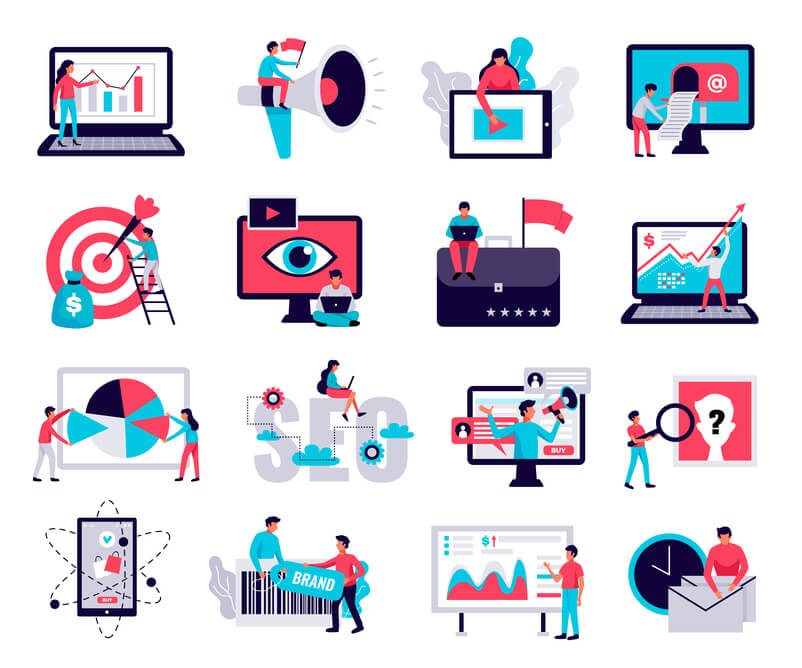
The art of website development has changed drastically over the years. With constant advancements in technology and evolving consumer expectations, having a static, one-dimensional online presence is a surefire way to get left behind. Whether you're a start-up looking to make your mark or an established business hoping to maintain your digital edge, implementing effective strategies for website development is key. In this article, we will guide you through the fundamentals of creating a solid website development strategy, crafting clear strategy statements, and achieving optimized website development.
Setting the Stage: The Need for a Strategy in Website Development
In the competitive digital world, a well-thought-out strategy for website development is paramount to ensure you stand out. A robust strategy should focus on creating a user-centric design, delivering compelling content, and offering a seamless user experience across all devices.
The first step is to understand your target audience's needs and behaviors. Using these insights, you can develop a website that truly caters to their preferences. Also, remember to incorporate the latest SEO strategies to ensure your site ranks well on search engine result pages (SERPs).
Strategy Statements: The Compass for Website Development
At the heart of every successful website development project are well-defined strategy statements. These statements articulate the objectives of your website, the intended audience, and how you plan to achieve your goals.
For instance, a strategy statement could be: "Our website will provide our target audience (specify the demographic) with quick access to our wide range of products/services, delivered through a responsive design that guarantees a seamless browsing experience across all devices."
Website Development Strategies: The Key Elements
While website development strategies can vary based on your specific business goals and target audience, some key elements remain universally important
Firstly, the design and layout of your website play a significant role in the user experience. A clean, intuitive design can make your website more engaging and user-friendly.
Secondly, the content on your website needs to be compelling and relevant. Content is the medium through which you communicate with your audience, and it plays a crucial role in SEO.
Lastly, website optimization is crucial for performance. Fast loading speeds, mobile optimization, and SEO best practices are just a few of the ways you can optimize your website.
Emphasizing Optimized Website Preparation
Optimized website development is a holistic approach that prioritizes user experience and search engine visibility. This involves optimizing website load times, ensuring mobile-friendliness, securing your site, and implementing a robust SEO strategy.
Search engines like Google favor websites that offer excellent user experiences, making optimization a vital part of your website development strategy.
In Conclusion: Elevate Your Online Presence with Effective Strategies
Developing a successful website is a complex task that requires careful planning and execution. By understanding the importance of a comprehensive website development strategy, crafting clear strategy statements, and implementing optimization techniques, you can significantly enhance your online presence. Stay ahead of the curve by continually updating your strategies to align with evolving digital trends and user expectations. After all, a well-developed and optimized website is a powerful tool in any business’s digital arsenal.
Categories
Latest Posts
Archive